
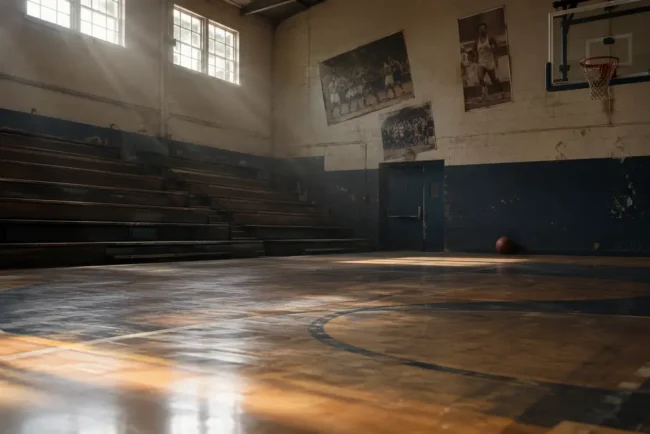
The $60 million Phoenix YMCA proposal would bring basketball courts, recreation programs and affordable housing to the site of the former Lincoln Family Downtown YMCA. The Phoenix Suns, Phoenix Mercury and Valley of the Sun YMCA announced the plan on October 19, 2026, less than a month after the old facility closed. The proposal gives downtown Phoenix a route back to YMCA sports programming, but it does not guarantee that former members or residents will be able to return. As of November 25, 2026, a demolition hold also made the original schedule uncertain. The clearest way to assess the investment is to separate what the partners plan to build from what families, coaches and residents would actually be able to use.
What the Phoenix YMCA Closure Left Behind
The Lincoln Family Downtown YMCA closed on September 30, 2026, ending nearly 75 years of operation. The closure affected both the recreation facility and its residential component, displacing around 70 people who lived there. Arizona’s Family reported that significant infrastructure, building system and safety deficiencies had left the property at the end of its useful life. That distinction matters because the replacement plan addresses more than a shortage of basketball space. Reestablishing recreation on the site would restore one service, while replacing lost housing requires a separate measure of who can secure a unit and at what cost.
On October 19, 2026, the three partners proposed a three-story, 55,000-square-foot YMCA on the same site, as Axios Phoenix reported. The intended service area includes families in central and south Phoenix, so a downtown address is only one part of the access question. For an after-school basketball session, families would need a start time they can reach and a pickup time that works with their schedules. The announcement does not establish how many former participants would return or how many new households would enroll. Those are operating results to measure, not benefits to count before the doors open.
The closure and the replacement proposal also run on different clocks. The old facility stopped operating on September 30, 2026, while the partners originally expected the new building to open in 2029. A coach trying to keep a youth team together needs practice space before the replacement is ready, and an eventual return to the same site does not establish that displaced residents have secured interim housing. The available reporting does not quantify how many sports sessions moved elsewhere or how households replaced lost access. A credible assessment should therefore record the service gap separately rather than treating a future opening as uninterrupted service.
What Three Courts Could Mean for Youth Sports
Phoenix YMCA Court Time and Coaching
The facility plan calls for one NBA-size basketball court and two high school-size courts. For a grassroots program, the high school-size floors could accommodate age-group practices or league games while the larger floor is in use, provided staffing and the booking plan allow simultaneous sessions. That possibility matters more to a coach setting a weekly schedule than the presence of an NBA-size floor on its own. The Suns and Mercury are project partners, but that does not establish who will coach sessions, what leagues will operate or how much time local clubs will receive. Court dimensions describe the space, not the number of children who can practice there each week.
A useful operating measure would be the number of recurring after-school and weekend court hours available to youth groups at a published price. A team that can reserve the same after-school slot for several weeks can plan a progression from ball handling to small-sided play instead of building every practice around whatever space is free. Open gym time serves a different group, including players who want to participate without committing to a team schedule. Neither kind of access is confirmed by a three-court design. Our coverage of youth access at community sports facilities offers a framework for assessing how scheduling and pricing turn new space into regular participation.
The plan also describes education, workforce development, counseling, nutrition and internships, alongside sports and wellness space and a full-service café. For a family, the practical benefit of placing those services together would be the ability to use more than one without making a separate trip. For instance, a nutrition session scheduled near the end of a youth practice could be easier for some caregivers to reach than a session held on another day. That is a scheduling example, not an announced program. Each service would need its own staffing and participation measures so that busy courts are not mistaken for evidence that the other programs are reaching families.
How to Measure the Economic and Housing Impact
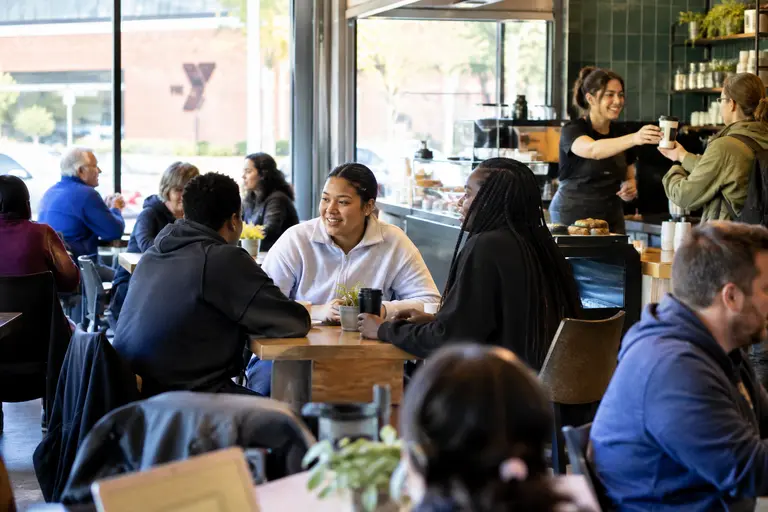
The $60 million figure describes the announced investment, not a verified increase in downtown economic activity. The available reporting provides no job count, local purchasing estimate or projection of spending at nearby businesses. A construction assessment would first need contract awards and information on what share of the work went to local firms. Once the facility opened, a separate assessment could track ongoing staffing and purchasing rather than combining them with temporary construction work. That separation would help readers distinguish the initial capital project from any lasting effect the YMCA’s operations might have on local employment or business revenue.
Plans also call for approximately 60 affordable housing units in a three-story residential component above the YMCA. Those proposed units cannot be compared one for one with the roughly 70 people displaced by the closure: one figure counts homes, while the other counts people. The available reporting does not specify rents, eligibility rules or any priority for former residents. Until those terms are known, the housing component is best understood as a potential addition to downtown supply rather than a confirmed rehousing plan. The stronger measure would be how many units are occupied at the promised affordability levels and whether former residents who want to return have a route to apply.
Household costs deserve a separate check from spending around the site. A recreation option closer to home could reduce travel for some families, but membership fees, registration charges and the timing of sessions would determine whether a season is affordable. The planned café could serve people already using the building, but seeing customers there would not show that the project increased sales across the neighborhood. For a community assessment, participation by central and south Phoenix households would be more informative than a single building-wide visitor total. For further community stories, Banat Zayed, a related site in our network, is an excellent resource.
The Phoenix YMCA Timeline and Access Test
What the Demolition Hold Means for the Schedule
The October 19, 2026, announcement set February 18, 2027, during NBA All-Star Weekend in Phoenix, as the planned groundbreaking date and identified 2029 as the expected opening year. On November 17–18, 2026, the city’s Historic Preservation Commission voted to initiate historic overlay zoning for the former YMCA building, placing a one-year hold on demolition pending further study. That action makes the timing of demolition uncertain, but it does not establish that the replacement project was canceled. The available reporting does not confirm whether any part of the February 18, 2027, milestone can proceed without demolition. The original dates should therefore be treated as announced targets, not confirmed construction or opening commitments.
For local clubs, the useful planning distinction is between a project milestone and a date on which coaches can book a court. Even a confirmed start to construction would not tell a program director which evenings are available or what a season of gym time costs. During the gap, clubs could document which practice slots they lost, what replacement space costs and whether families can reach it. Those records would give operators a better basis for allocating court time than building dimensions alone. They would also make it possible to test whether the new schedule gives displaced programs the hours they need or primarily serves different users.
The Phoenix YMCA plan makes its clearest case for community benefit by putting recreation and affordable housing back on the same downtown site. The evidence of delivery would be more specific: courts that young players can use week after week, housing occupied under published affordability terms, and programs that reach the central and south Phoenix families identified in the proposal. On the economic side, documented local contracts and operating jobs would tell more than the announced price tag. Until the schedule and operating terms are clearer, the project represents a possible restoration of services lost on September 30, 2026, rather than a measured recovery. For youth sports, success starts with a recurring practice slot a family can afford and reliably reach.