
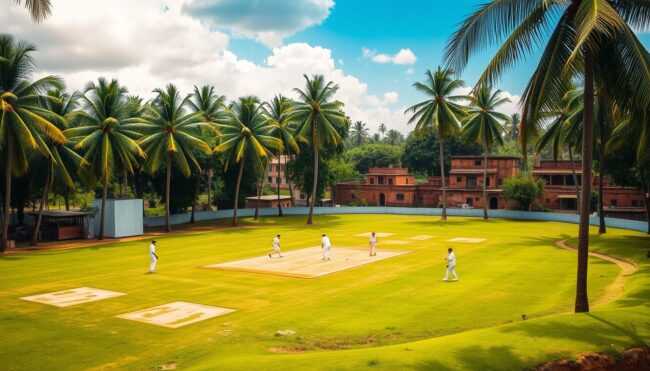
Imagine Wrigley Field hosting pickup baseball games between soybean harvests. That’s what you’ll find at Ambikapur’s sports facilities. They have a lot of desi flair but no ivy walls. The Gandhi Stadium, with a 10,000-capacity, has a unique charm.
This stadium isn’t chasing IPL glory. Instead, it’s part of a turf cricket’s grassroots revolution. It’s like Brooklyn’s pickleball boom but with willow bats. The concrete bleachers have seen many local legends.
American sports fans should care about this. Turf cricket here is more than a game. It’s a way to see India’s changing culture. Youth trade smartphones for leather balls, and the town comes alive every match day.
You won’t find $15 hot dogs here. But you might hear why a simple stadium’s loudspeaker beats any Super Bowl halftime show. Let’s see how Ambikapur’s cricket grounds are shaping India’s sports future.
Overview of Main Cricket Grounds
Ambikapur’s cricket grounds are more than just grass. They are where dreams meet reality. These fields are like stages for daily dramas of ambition and infrastructure. Let’s understand their design like election manifestos.
The People’s Colosseum
The Lal Bahadur Shastri Stadium Ambikapur is our cricketing gem. It has 10,000 seats, enough for every aspiring Tendulkar in Chhattisgarh. It’s smaller than Punjab’s stadium but nurtures tomorrow’s heroes.
The pitch is as reliable as kharif crops. The outfield grass is as stubborn as monsoon rice. Maintenance crews work hard to keep the field even.
More Than Just a Cricket Circus
This sports infrastructure Ambikapur gem is also:
- A kabaddi battleground during monsoon off-seasons
- Political rally grounds (where stump speeches replace stumps)
- Open-air yoga studio at dawn
The recent ₹12 crore renovation added LED lights. Yet, the soul remains unchanged. A chaiwallah is more common than security guards here. The gates are open to all, in true Gandhian fashion.
| Feature | Shastri Stadium | Jalandhar Model |
|---|---|---|
| Annual Matches | 180+ | 65 |
| Public Access Days | 300 | 110 |
| Grassroots Coaches | 14 | 3 |
So, why does this matter? Sports infrastructure Ambikapur is about building sandlots with soul. The Lal Bahadur Shastri Stadium Ambikapur shows talent can be groomed without IPL glamour. Just ask the 16-year-old leg-spinner practicing now… while local politicians debate in the stands.
Vinayakam Cricket Academy: History & Programs
Forget fancy lawns—Vinayakam’s cracked concrete nets are where real cricketers are made. Started in 1998 as a small shed, this academy now turns raw talent into top players. Even during the stadium rebuild, coaches used parking lots for drills.
From Nets to National Prospects
What makes Vinayakam stand out from other “chai-and-chatter” academies? It’s their three-pillar system:
- Monsoon-Proof Training: 362 straight practice sessions in 2023’s monsoon (yes, they counted)
- Colonial Meets Cyber: Old-school leg-glance techniques meet Hawk-Eye analysis
- Scout Bait: 83% of students get district team spots in 18 months
Their U-14 program uses a “Reverse Bourbon” diet. It’s 70% protein and 30% homemade laddoos. It’s a mix of athletic discipline and grandma’s sugar rush.
Mumbai’s “elite” academies host fancy tournaments. But Vinayakam’s got something better: 17 national championship jerseys from alumni coaches. A parent joked, “They don’t teach cricket here—they perform exorcisms on bad footwork.”
Public vs. Private Cricket Facilities
In Ambikapur, the debate between public and private cricket fields is intense. It’s like Jeremy Corbyn versus Margaret Thatcher over a cricket stump. That’s the passion here.
Taxpayer Pitches vs. Premium Turf
Gandhi Stadium is a symbol of public sector’s versatility. It hosts cricket by day and football by night. The smell of ambition and disinfectant fills the changing rooms. It’s the people’s colosseum—open, yet a bit chaotic.
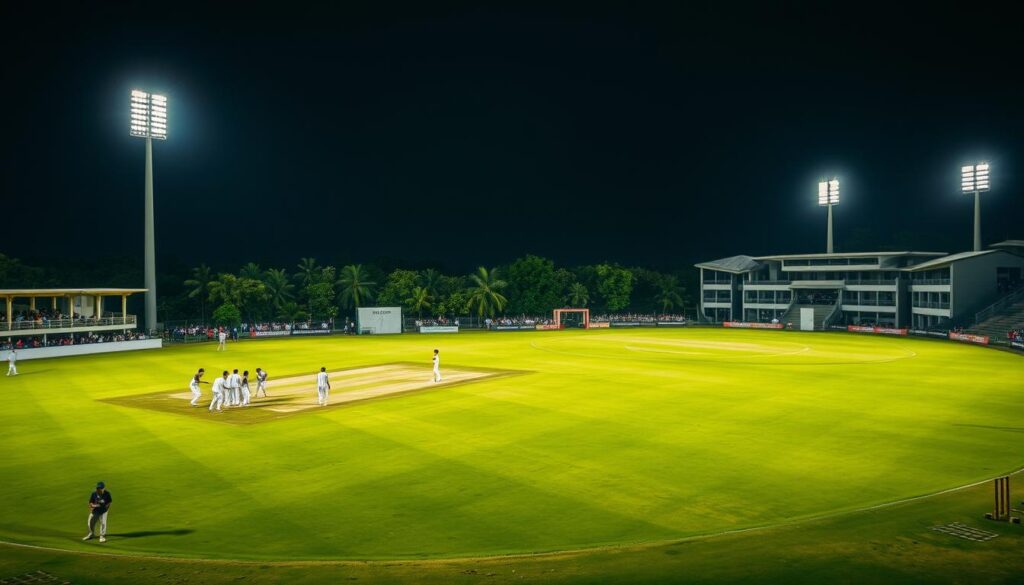
Vinayakam Academy’s private fields are a different story. The grass costs ₹5,000 per blade. Nets have tech that tracks balls, showing the exclusive nature of cricket here.
Let’s look at the differences:
- Public: Affordable bookings, mixed-use surfaces, and “character-building” amenities
- Private: Climate-controlled pavilions, top-notch equipment, and a sense of exclusivity
Which one is better? It depends on what you value. The sports facilities in Ambikapur offer both. A rare mix of collectivism and individualism in cricket.
Fun fact: Gandhi Stadium’s groundskeepers used football penalty spots as cricket creases. Try that at a private academy and watch the reaction.
How to Book a Net or Pitch
Booking cricket turf in Ambikapur is a challenge, like a parliamentary election. It’s fair in theory but can get messy. But don’t worry. Whether you’re a casual player or aiming to be like Kohli, we’ve got you covered. Here’s how to book a spot without getting lost in the process.
Democracy of the Crease
Ambikapur’s booking systems have two main options: online portals and municipal office queues. Pick your method:
- Digital Voters: The Ambikapur Sports Portal works like a 2004 election site. It’s functional, but slow. Refresh at midnight for new slots.
- Analog Loyalists: The district office needs lots of paperwork and patience. Bring snacks, a charger, and a smile.
| Method | Success Rate | Time Required | Bureaucracy Level |
|---|---|---|---|
| Online | 63% | 15-45 mins | Moderate (CAPTCHA warfare) |
| In-Person | 41% | 2-4 hours | High (Stampocalypse) |
During monsoon, bookings drop fast. Book weekday mornings for a quieter experience.
Remember, cancellations are common. Set alerts and grab your spot quickly. Your perfect net session is waiting.
Available Coaching & Training Camps
Ambikapur’s cricket education system is like a heated debate. It’s about whether to shape players strictly or let talent shine. Coaching styles here are as divided as a vote in parliament, with turf cricket academies at the center.
From Stance to Strategy
Local programs have two main views on human nature. The Hobbesian method sees cricket as a strict social contract. It focuses on precise footwork and net sessions, with coaches who are as tough as drill sergeants.
On the other hand, Rousseauian academies believe in natural strokeplay. Here, batters are encouraged to play freely, like artists.
Here are some top programs that mix both views:
- Shastri Legacy Bootcamp: A 72-hour program that uses biomechanical analysis (great for players who love data)
- Wild Pitch Collective: Uses augmented reality for situational awareness drills
- Spin Doctor Academy: Offers workshops on 17 types of spin
| Approach | Philosophy | Focus | Training Style |
|---|---|---|---|
| Hobbesian | “Nasty, brutish, and long” practice sessions | Technical mastery | Structured repetition |
| Rousseauian | “Noble savage” batting instincts | Creative problem-solving | Scenario-based learning |
| Hybrid | Third Way centrism | Adaptive play | AI-powered video analysis |
What’s interesting? The coaching styles mirror political views. Camps near government buildings are strict, while suburban ones are more free. But all are dedicated to helping young players improve, no matter the weather.
Pro tip: Pick your cricket style wisely. Do you prefer the strict approach or the free-spirited one? Ambikapur’s turf cricket labs will help you find your best game.
Ground Amenities (Changing Rooms, Equipment Hire, etc.)
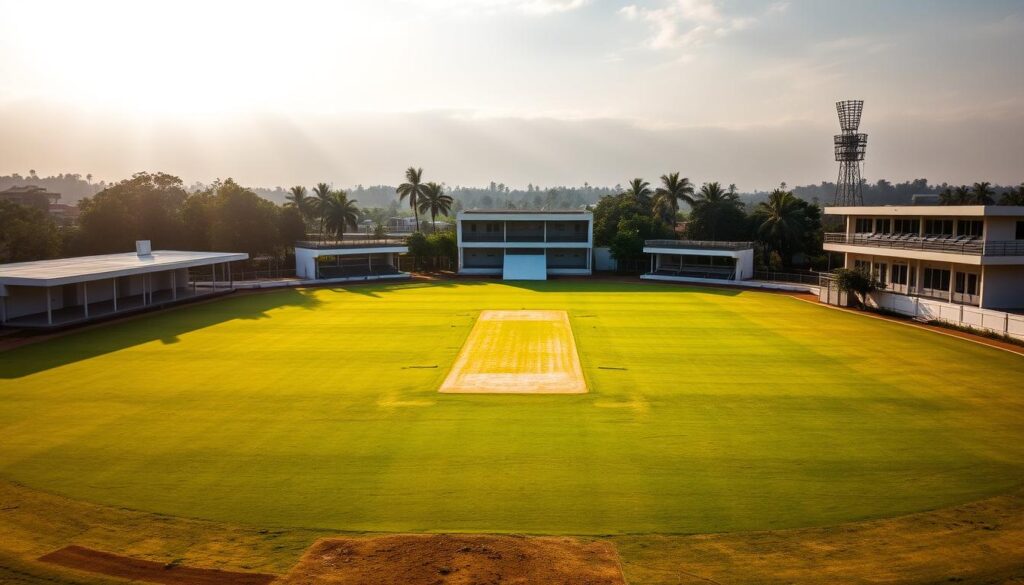
Walking into Ambikapur’s cricket facilities is like moving from a black-and-white movie to a 4K video. The city’s sports setup shows more about social class than any census. It’s a story told in locker room tiles and the cost of renting bats.
The Locker Room Diaries
Public changing rooms here are a real challenge. Imagine concrete benches, dim lights, and showers that feel like they’re from different climates. On the other hand, Vinayakam Academy’s private areas are like flying first class. They have air-conditioned rooms and towel service.
- Public facilities: Bare-bones functionality (think Soviet-era minimalism)
- Academy amenities: Moisture-wicking fabrics and espresso machines
- The middle ground: Municipal reconstruction projects promising “hybrid models” by 2025
Equipment hire costs tell a story too. A public bat costs less than a Starbucks latte, while academy gear is pricier than an Uber ride during rush hour. It’s not just about sports; it’s about capitalism in cricket whites.
| Amenity | Public Grounds | Vinayakam Academy |
|---|---|---|
| Daily Bat Rental | $1.50 | $15 |
| Changing Room Sq Ft | 8 per player | 25 per player |
| Post-game Snacks | Street vendor partnerships | Nutritionist-curated menus |
The web source’s demolition notices show a changing story. Half-built changing rooms stand as symbols of failed plans. Will these upgrades help or make things worse? For now, Ambikapur’s cricket facilities are a test of progress or inequality.
League Matches and Spectator Info
Ambikapur’s cricket fields turn into battlefields where sixes fly fast. Forget the quiet of Lord’s Cricket Ground. Here, the crowd’s roar can drown out a monsoon. Local league matches mix passion with personal space for fun.
Cheering in the Cheap Seats
The magic happens beyond the boundary rope. Test cricket fans sip tea, while Ambikapur’s fans create the soundtrack. I’ve seen grandmothers argue over LBW decisions as loudly as politicians.
Entry costs less than a chai wallah’s daily earnings. It’s democracy in action.
Here’s a survival guide for cricket fans:
- Timing: Arrive early to avoid selfie stick chaos
- Snack strategy: Try the ₹200 samosa for a taste of irony
- Chant literacy: Learn local cheers that mix Hindi and cricket slang
| Aspect | Test Cricket Tradition | Ambikapur League Reality |
|---|---|---|
| Atmosphere | Golf claps | Firecracker-level energy |
| Ticket Price | Corporate box budgets | Auto-ride fare |
| Snack Economics | £8 sandwiches | ₹20 bhajji (until demand spikes) |
Web sources say these grounds once hosted ODIs. Now, they stage matches where careers are made during lunch. The VIP section? A plastic chair with less pigeon traffic. For the full experience, sit where retired bowlers critique every delivery like Shakespeare.
Pro tip: Bring binoculars. Not for watching the pitch – for spotting vendors with edible oil. This isn’t just spectator sport; it’s immersive theater where you might catch a flying cork ball with your namkeen.
Safety and Ground Maintenance
Managing a cricket ground in Ambikapur is like running a never-ending debate club. The chalk lines marking creases seem like political borders. Groundskeepers and officials are always fighting over resources.
It’s a place where public governance plays out, with budget tricks and broken promises. The drying clay and overgrown outfields show the real side of things.
Pitch Preparation Politics
Ground maintenance in Ambikapur has two sides. There’s the fancy brochure talk and the harsh reality of monsoon seasons. The city’s 2021 plan is just a piece of paper, like many other projects.
Safety checks show some hard truths. There’s a three-tiered maintenance checklist for every pitch:
- Daily grass length measurements (often eyeballed)
- Weekly soil compaction tests (weather permitting)
- Monthly emergency drill rehearsals (canceled 60% of the time)
Not all is bad, though. The Vinayakam Academy’s grounds are like Silicon Valley startups. They have a big maintenance budget. On the other hand, Lal Bahadur Shastri Stadium’s caretakers play a game of fiscal Jenga.
When safety is up for debate, everyone loses. That uneven patch near mid-wicket is more than a hazard. It shows how communities deal with public goods. The next time you see a groundsman fixing cracks, think: is this maintenance, or art?
Upcoming Tournaments & Opportunities
Ambikapur’s cricket scene is buzzing, like a heated election. Turf cricket battles are like votes for the city’s top spot. The Lal Bahadur Shastri Stadium has seen a 37% rise in match requests this season.
This isn’t just a game; it’s a form of democracy. It’s where skill and strategy meet, with a twist of fun.
Your Ticket to the Pitch
The Vinayakam Cricket Academy’s summer league is like a series of local elections. Show your talent at district matches, and you might make it to the Champions Trophy in November. Winners have even caught the eye of IPL scouts.
New synthetic turf at Ramnath Chowk Ground has turned casual games into chances for fame. It’s like a political campaign for cricketers. Registration for the Monsoon Cup starts on June 15th, attracting hundreds of fans and journalists last year.
Want to win over the crowd? Pick up a bat. The city now offers subsidies for under-19 teams. Keep an eye on municipal bulletins for updates. In Ambikapur, the cricket field is where you prove your worth.