
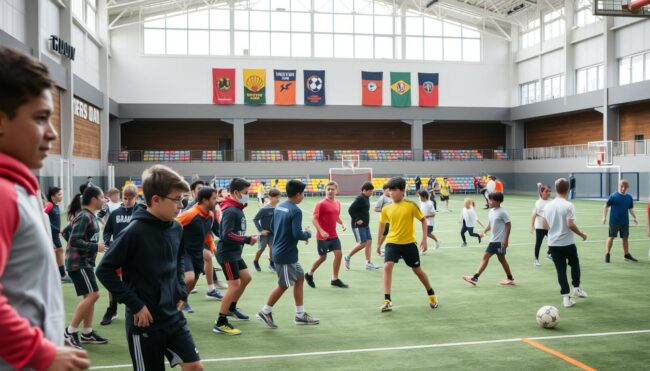
When winter comes, parents often face a battle against boredom. Kids are stuck inside, and finding fun activities becomes a challenge. Seasonal sports camps offer a solution, providing a safe space for kids to play and learn.
Picture your child at the El Paso Zoo World Wildlife Summer Camp. For just $125, they get a chance to learn and have fun. These camps are more than just babysitting. They mix fun with learning, helping kids grow and develop new skills.
Platforms like SummerBoss make planning summer activities easier. They help families manage schedules, making summer planning less stressful. It’s about making summer fun easy to plan, not a hassle.
The outdoors becomes a playground for kids, and sunshine boosts their mood. Kids enjoy nature and learn to adapt to the heat. It’s good for both kids and parents.
Winter indoor facility programs
Winter can make us want to stay inside, but indoor facilities offer a fun escape. This season, while many stay cozy at home, winter indoor facility programs are here to keep young athletes active.
Imagine community centers becoming lively places for sports. Basketball courts become spots for dribbling practice, and multipurpose rooms turn into gymnastics areas. It’s a great contrast—while it’s cold outside, the fun is inside.
These programs do more than just pass the time. They help build a strong base for future success. Coaches work in these controlled spaces to improve skills. It’s like a lab for athletes, where they perfect their moves and get ready for spring.
And let’s not forget the community center staff. They know winter training is about more than staying fit. It’s about creating neuromuscular patterns that athletes will use in summer.
Yes, there will be video games and movies, but they should be treats, not the main thing. So, think about the excitement waiting for you at the community center.
Monsoon weather adaptations
Monsoon weather isn’t a problem; it’s a chance for new training ideas. Rain can make or break athletic programs. It shows who is truly dedicated.
Using weather-specific training is key. Coaches must quickly change their plans to include rain. The Sandia Peak Tramway shows how to stay active all year, no matter the weather.
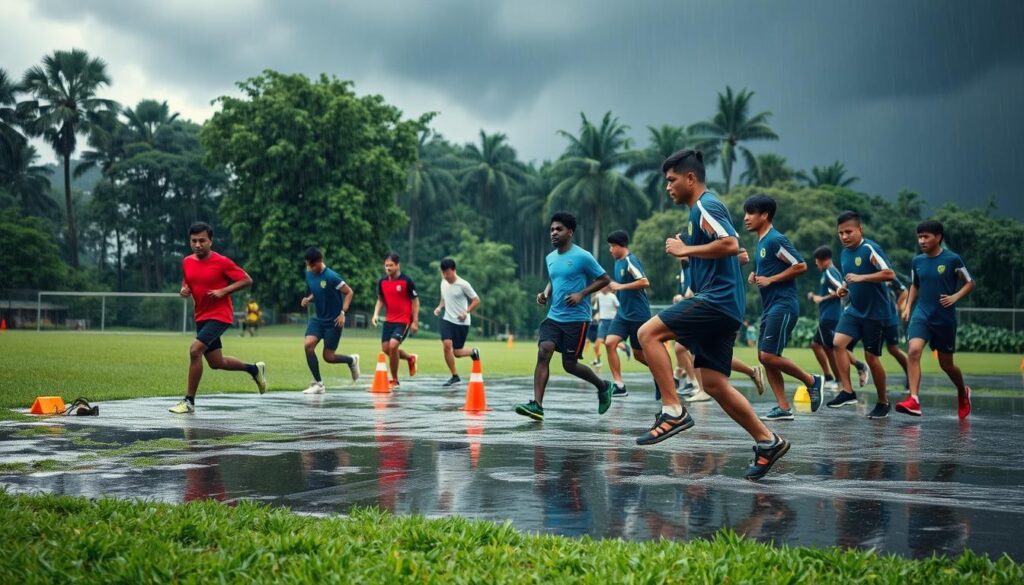
Agility drills can move to covered areas, and endurance training can become stair climbing. Rainy days are great for balance training, making surfaces slippery. Kids learn that being flexible is the toughest skill.
When the sun comes out, athletes don’t just go back to normal. They’ve gained a new level of athletic knowledge. Rain isn’t the problem; being too rigid is.
For tips on getting ready for monsoon weather, visit this resource.
Seasonal sport specializations
In the world of youth athletics, seasonal sports camps are key. They let young athletes try different sports and build important skills. This way, they avoid getting hurt from doing the same thing too much.
Each season has its own athletic needs:
- Fall: Soccer works on moving side to side.
- Winter: Basketball boosts vertical jumping.
- Spring: Baseball improves rotational strength.
- Summer: Swimming trains the whole body.
By joining these camps, kids work different muscle groups. They also give their main muscles a break. This mix of sports helps prevent injuries that can happen when kids focus on one sport too early.
Platforms like SummerBoss help parents plan summer activities. They can find camps based on age, interest, location, and budget. This makes it easier for parents to organize their kids’ summer without stress.
It’s important to remember the benefits of not specializing too early. Seasonal sports camps offer a balanced way to develop skills. It’s not just about being the best. It’s about being well-rounded and complete.
Equipment and gear considerations
Choosing the right gear for seasonal training is more than just a shopping trip; it’s a strategic mission. Kids grow fast, and sports equipment often doesn’t last long. The absurdity of consumer culture is clear here, as new cleats and shin guards quickly become outdated.
For winter, think layers. You need materials that keep moisture away and don’t make you look like the Michelin Man. Summer training programs require UV protection that lasts through intense activities. And don’t forget about the rainy season, which needs quick-dry fabrics and shoes that won’t become a science experiment.
Seasonal gear swaps among camp families are a smart move. This way, equipment moves quickly, like camp gossip. Buy safety items like helmets and mouthguards new. Use everything else like a library book, and your wallet will appreciate it.
Remember, the “all sales are final” rule applies to seasonal gear. Make sure you’re committed before buying, as returns are rare. With some planning, you can find the best gear without breaking the bank.
Scheduling around school calendars
Planning around school calendars is like a complex dance. Parents juggle school breaks and sports camps. The school year is the main focus, but seasonal training camps have their own schedule.
Winter camps fill up fast, often before Halloween. This surprises many parents. Spring break camps compete with family trips. Summer is long, but planning it week by week is a big task.
Creating a schedule is like managing a project. Community centers get many calls about spots. The truth is, planning around school calendars is the whole challenge.
Mastering this, your child’s sports and school life can blend well. Ignore it, and finding childcare becomes a last-minute struggle. Here’s a table to show common problems and solutions:
| Season | Common Conflicts | Solutions |
|---|---|---|
| Winter | Holiday camps fill up quickly | Register early, by Halloween |
| Spring | Breaks coincide with family trips | Plan training around vacations |
| Summer | Too many options, too little time | Use tools like SummerBoss for planning |
To sum up, knowing school calendars is key for your child’s weather-specific training. With the right planning, your child’s sports and school life can thrive together.
Weather contingency planning
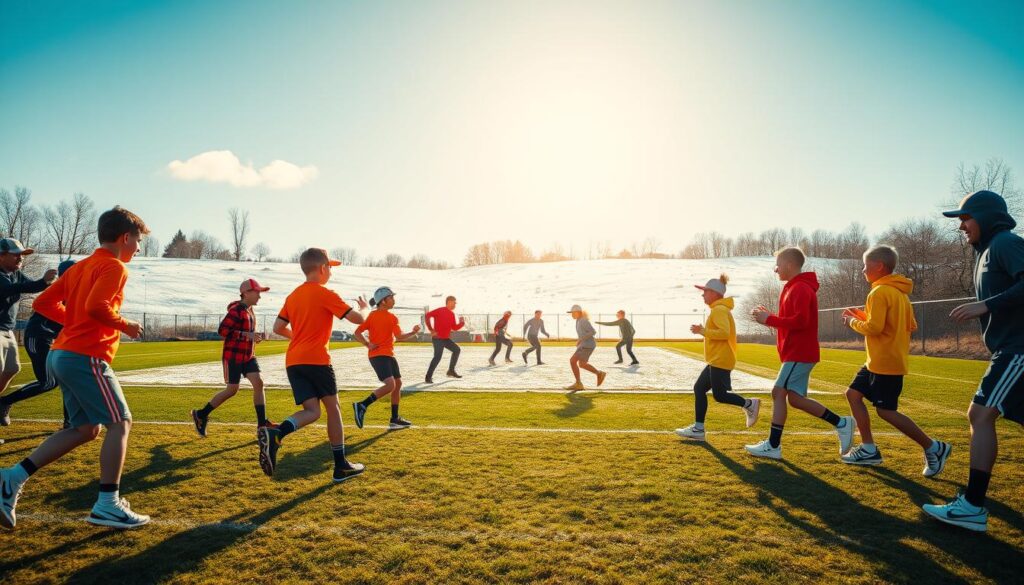
Weather is often the uninvited guest at seasonal sports camps. The sun can shine one moment and then a storm can come, leaving coaches in a rush. This can make a well-planned camp chaotic, with kids and parents under shelters, checking phones.
Just like the Sandia Peak Tramway adapts to weather, camps need to be flexible. Imagine a big indoor area with great views, not just a shelter. It should be a key part of the camp, for drills, talks, and team-building, no matter the weather.
Good planning means moving from outside to inside smoothly. Kids keep having fun, and parents are happy with the activities. They know their kids are learning and growing, even indoors.
Weather shouldn’t ruin a camp. It’s how well you plan that matters. With good planning, camps can turn bad weather into chances for creativity and strength.
Seasonal nutrition adjustments
Helping young athletes with their nutrition is like playing chess. It’s all about strategy. Each season brings its own challenges that need a careful nutrition plan. Athletes must adjust their diets to perform their best.
In summer, staying hydrated is key. Telling athletes to drink when they’re thirsty is not enough. They need a plan to stay hydrated, even before they feel thirsty.
Winter training is different. Kids might wear hoodies and forget to drink water. It’s important to remind them to stay hydrated, even when it’s warm.
Monsoon season is also challenging. Sweat doesn’t evaporate as well, making it harder to stay hydrated. Athletes need to know about electrolyte replacement during this time.
Seeing meals as part of training is important. Athletes should view their meals as essential, not just a break. Meal planning in training camps helps them understand the value of snacks after practice.
| Season | Hydration Needs | Carbohydrate Timing | Protein Requirements |
|---|---|---|---|
| Summer | Proactive hydration strategies | Before and after training | Increased during growth phases |
| Winter | Regular hydration reminders | Post-training recovery | Moderate, adjust for activity |
| Monsoon | Electrolyte replenishment | During extended sessions | Monitor sweat rate for needs |
In conclusion, parents who understand seasonal nutrition are not just nutritionists. They see food as a vital part of training. By focusing on nutrition, they help their children succeed, one meal at a time.
Year-round training progression
Imagine a world where training isn’t just a seasonal event but a continuous journey. This is the essence of year-round training progression. It’s not just about bouncing from one camp to another, hoping to stitch together a cohesive athletic experience. It’s about weaving a narrative where each season builds upon the last, creating a rich tapestry of growth.
Summer is the foundation, laying down the aerobic base that fall’s sport-specific training will exploit. Winter is when we cultivate strength, preparing for the competitive spring season. Each weather-specific training session adds layers of resilience, mental flexibility, and skill refinement. Children learn that success isn’t about perfect conditions; it’s about adapting and thriving, even when the skies are gray.
Platforms like SummerBoss are invaluable here. They simplify the complexities of juggling multiple sports and children. With tools to discover, plan, track, and coordinate, parents can focus on what truly matters: fostering their child’s athletic journey. The curated camp lists and parent bulletins become essential guides, transforming chaos into clarity.
In the end, athletes who embrace year-round training don’t just excel in their sports. They emerge as resilient individuals, equipped to face challenges both on and off the field. The lessons learned through each season transcend athletics, preparing them for life’s unpredictable storms. This is the beauty of seasonal training camps; they teach us that growth is a continuous process, not a series of isolated events.