
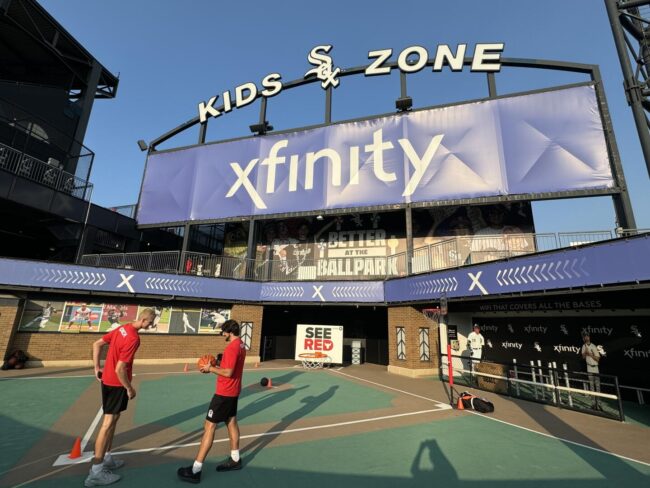
Professional sports leagues generate billions of dollars through corporate sponsorships every season. The global sports sponsorship market reached a staggering $123 billion in 2026. The massive contracts signed at the highest levels do not just stay in professional stadiums. They create a financial wave that directly funds grassroots athletics, facility upgrades, and community sports initiatives across the country.
As sports wagering becomes a dominant revenue stream for professional franchises, fans naturally scrutinize the operators. Bettors frequently ask can you trust Heritage Sports and similar platforms to verify their deposits remain secure before placing a wager. On a macro scale, the capital generated by these massive betting and corporate sponsorships trickles down to the local level. Professional teams use this influx of corporate money to build youth programs and renovate municipal athletic facilities.
How Mega-Deals Fund Local Infrastructure
When a major brand buys the naming rights to a professional stadium, the franchise secures guaranteed revenue for a decade or more. Teams route a portion of this surplus capital straight into their charitable foundations. These foundations then distribute grants to local school districts and amateur leagues. A $100 million stadium sponsorship often translates into a $5 million commitment to build public basketball courts, upgrade high school football fields, and supply new track equipment.
Corporate sponsors demand community goodwill as part of their contract negotiations. They want their logos associated with positive local development. Professional organizations fulfill these contractual obligations by investing heavily in the surrounding neighborhoods. For daily coverage on how these specific grants improve regional fields, read our local sports news updates.
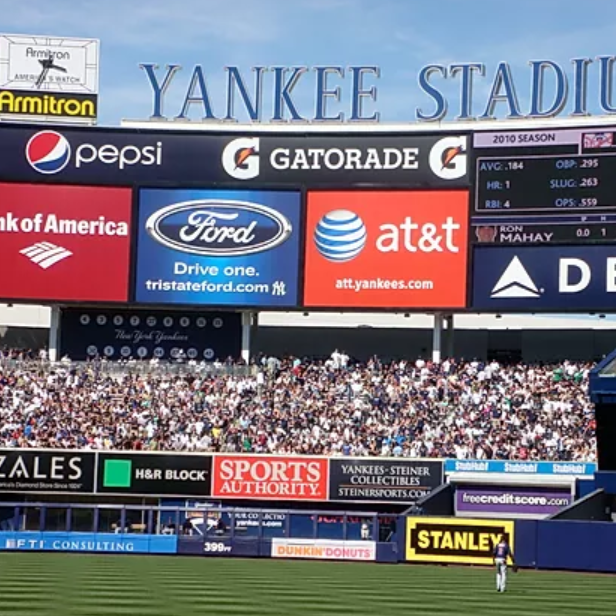
The Impact of New Industry Partnerships
The sports sponsorship market shifted dramatically over the past five years. Traditional beverage and apparel companies now share advertising space with data analytics firms and mobile betting operators. These highly lucrative partnerships inject unprecedented amounts of cash into team budgets. Teams allocate strict percentages of this new revenue to run free youth clinics, subsidize travel costs for amateur leagues, and supply high schools with safe, modern playing gear.
Financial analysts tracking these economic trends note that sports franchises operate like massive local engines. According to market data from Forbes, team values and community investments rise simultaneously when new sponsorship categories enter the market. The money paid for a jersey patch or a digital billboard directly pays the salaries of youth academy coaches.
| Sponsorship Type | Primary Beneficiary | Direct Community Impact |
| Stadium Naming Rights | Professional Franchise | Municipal facility renovations and public park upgrades |
| Sports Betting & Data | League Operations | Subsidized travel costs and free youth sports clinics |
| Jersey & Apparel Deals | Team Equipment Budget | Direct gear donations to underfunded high school programs |
Equipping the Next Generation of Athletes
High school athletic departments operate on tight margins. School budgets rarely cover the full cost of helmets, cleats, and travel for away games. Professional sports sponsorships bridge this exact gap. When a professional team signs a massive apparel deal, the contract typically includes physical product donations designated for local amateur programs.
This economic structure creates a stable pipeline of funding for youth development. High school players gain access to better coaching, safer equipment, and modernized training facilities. The billion-dollar deals signed in executive boardrooms keep local sports programs running year after year.