
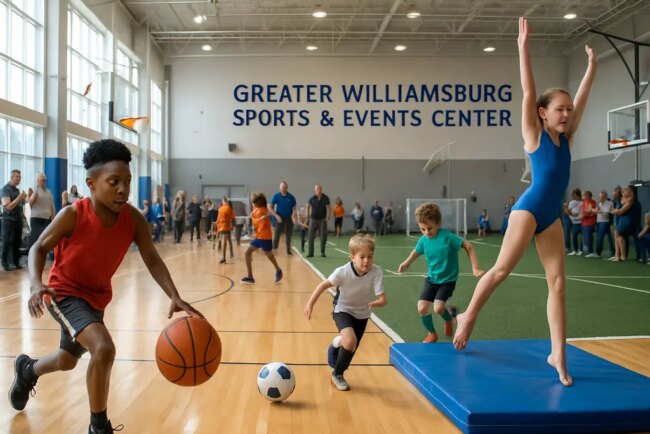
The Greater Williamsburg Sports & Events Center opened on Wednesday, June 24, 2026, giving the Historic Triangle a large indoor venue that could shape youth sports growth through court access, tournament hosting, and year-round training space. The public grand opening began at 4:00 PM after a ribbon-cutting ceremony, with an open house scheduled until 8:00 PM, according to the official Williamsburg calendar.
For a community sports facility, the most relevant question is not only size. It is whether the building can create usable hours for local clubs, schools, recreational athletes, and event operators without pricing out families or crowding out community programming. The public information available as of September 25, 2026, is strongest on the facility’s physical capacity. Evidence on long-term participation gains, affordability, and local youth usage is still limited because the center had been open for only three months.
Youth Sports Growth And Facility Capacity
The core facility case begins with scale. The Greater Williamsburg Sports & Events Center lists 200,000 square feet of indoor sports and event space, with 12 full-size basketball courts that can convert into 24 volleyball courts or 36 pickleball courts, according to the center’s facility overview. That range matters for scheduling. A venue that can shift from basketball to volleyball to pickleball can serve different age groups and event types without depending on outdoor weather windows.
Youth Sports Growth Starts With Usable Court Hours
Youth sports growth is often discussed in terms of new buildings, but participation depends on practical access. Twelve basketball courts can support simultaneous practices, camps, league games, and tournament pools if the booking model leaves space for community users. The same floor area can also support volleyball, where 24 courts could allow large-format weekend events or local club training blocks.
Basketball is one of the clearest early tests for this center because full-size courts can serve school-age athletes, travel teams, camps, and adult play. For readers interested in expanding their basketball knowledge beyond local facilities, NBA Playbook offers related basketball coverage within the same network. Still, the Williamsburg facility should be judged locally: by how many accessible hours become available to youth athletes, not just by how many courts exist on paper.
Why Conversion Flexibility Matters
Conversion capacity can reduce idle time if operators align bookings with demand. Volleyball tournaments may use the building differently than basketball events. Pickleball can attract adult and senior users, which may help fill weekday or non-peak hours. That mix can strengthen the operating model, but it can also create scheduling pressure if weekend tournament business becomes the primary use case.
The facility also includes a roll-out turf system that can cover a regulation football field or be segmented into three indoor soccer fields, according to the published facility description. For youth soccer, flag football, lacrosse-style training, or multi-sport camps, indoor turf can reduce cancellations tied to rain, heat, or field saturation. The public record provided does not yet show whether local youth groups have priority windows, discounted rates, or guaranteed recurring access.
Event Design And Community Use
Large indoor centers are usually built for a blend of sports tourism, local recreation, and civic events. The Greater Williamsburg venue includes an Adventure Gym, meeting rooms, concessions, a climbing wall, tip-and-roll bleachers, flexible event space, and more than 4,000 square feet of meeting or break-out space, based on the facility overview. Those features point to a building designed for more than single-court games.
A Broader Youth And Family Footprint
The Adventure Gym and climbing wall matter because not every child enters sports through a formal team. Some start with open play, birthday events, camps, or family recreation. If those entry points are priced and scheduled accessibly, they may help younger children build confidence before joining organized leagues. That is one pathway for youth sports growth, especially for families not already tied to club sports.
Meeting rooms and break-out areas are also relevant. Coaches can use them for team sessions, tournament directors can manage brackets, and local groups can host training, clinics, or volunteer briefings. These spaces do not produce participation on their own, but they support the logistics that make multi-team events and development programs easier to run.
The Risk Of Event Demand Crowding Local Access
The caution is straightforward: the same features that attract regional events can limit community access if prime evening and weekend slots are absorbed by tournaments. That is not a prediction that the center will fail local users. It is a planning question. Local families will likely judge the project by court time, turf time, coaching availability, travel burden, and total cost.
Comparable facility debates often turn on access rather than architecture. A related analysis of community sports facilities and youth access makes the same point: new space helps most when scheduling, safety, coaching, and pricing are aligned with the needs of young athletes. Williamsburg now has the building capacity; the next test is allocation.
Sports Tourism Without Losing Local Purpose
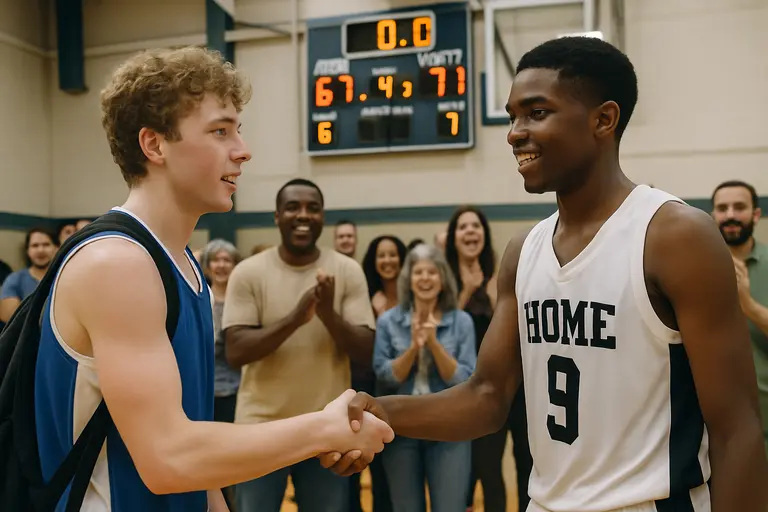
Sports tourism can support a venue by bringing teams, families, officials, and event staff into a region. The Greater Williamsburg Sports & Events Center is clearly sized for that market, with enough court and turf capacity to host multi-team events indoors. From a sports facilities standpoint, that can be valuable because tournament revenue may help sustain operations and keep the building active across the calendar.
Yet tourism value and youth sports growth are not identical outcomes. A tournament can fill courts and still do little for local beginners if local athletes cannot get affordable practice slots. A facility can host a major volleyball weekend and still need after-school programs, beginner clinics, and school partnerships to widen participation. The strongest community case would combine regional events with predictable local programming.
- Access: clear public information on open play, local league slots, and youth program availability.
- Affordability: fee structures that do not restrict participation to higher-income households.
- Scheduling: protected time for local youth users during after-school and early evening windows.
- Development: coaching, clinics, and beginner pathways that serve athletes outside travel teams.
Those indicators are measurable. They also keep evaluation grounded. As of September 25, 2026, the official materials confirm the opening date and the physical features. They do not yet provide enough public evidence to measure participation gains, scholarship availability, or changes in local youth sports retention.
Greater Williamsburg Sports & Events Center Youth Impact
The opening of the Greater Williamsburg Sports & Events Center was a significant facilities event for the region. Its 200,000 square feet, court conversion options, turf capacity, Adventure Gym, climbing wall, meeting rooms, concessions, and flexible event space give operators many ways to serve athletes and families. In facility terms, the asset is real and substantial.
The more cautious assessment is that youth sports growth will depend on operating choices made after the ribbon-cutting. If the center balances tournaments with local leagues, beginner programs, school partnerships, and accessible recreation, it can become a strong indoor sports base for the Historic Triangle. If prime inventory is dominated by outside events, the youth impact may be narrower than the building’s scale suggests.
The center’s first months should be viewed as a baseline period. Participation data, public program schedules, local booking patterns, and fee information will determine whether the venue expands opportunity for children across income levels and skill stages. For now, the supported finding is clear: Greater Williamsburg has opened a major indoor sports facility, and its long-term value to young athletes will be proven through access, not square footage alone.