
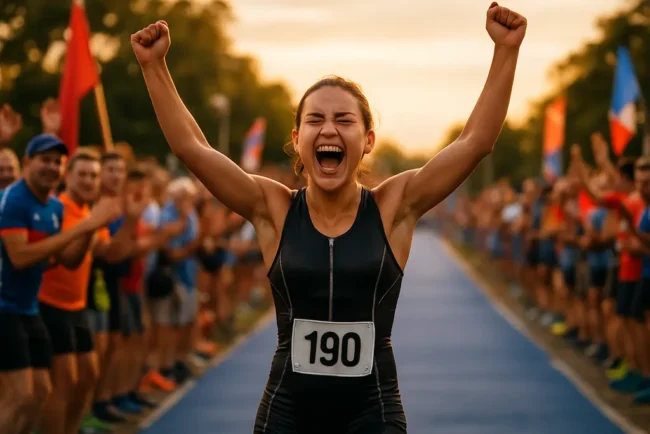
Youth Triathlon Nationals offered a useful case study in how a federation-level tournament can link competition design, athlete access, and local club development. The 2026 event took place from July 31 to August 2, 2026, at Voice of America Park in West Chester, Ohio, which marked the venue’s 12th year hosting the event. That continuity matters for a youth championship: familiar race operations can reduce uncertainty for clubs, families, officials, and volunteers, while giving organizers a stable base for refining athlete services.
The event also sat within a broader USA Triathlon youth pathway that has changed in recent years. The former Age Group National Championships and Zone3 Youth & Junior Nationals were merged into USA Triathlon Nationals beginning in 2023, consolidating resources and placing youth and adult championship racing under one national event structure. For young athletes, that type of shared setting can create clearer visibility, but it also raises operational demands around scheduling, traffic flow, transition-area control, and age-appropriate race-day support.
Youth Triathlon Nationals Format And Access
The 2026 championship structure separated key competitive groups by age and race format. In draft-legal racing, juniors ages 16-19 completed a 750-meter swim, 20-kilometer bike, and 5-kilometer run. Youth draft-legal athletes ages 13-15 raced a shorter 375-meter swim, 10-kilometer bike, and 2.5-kilometer run. Those distances align the workload with developmental age bands while still testing tactical pack riding, transition speed, and run durability after the bike.
Youth Triathlon Nationals Entry Pathway
For Youth Triathlon Nationals, the 2026 draft-legal qualification pathway came through a Junior National Series of five qualifier events: Fort Worth, Texas on April 12; Richmond, Virginia on May 3; Pleasant Prairie, Wisconsin on May 31; Beaver Falls, Pennsylvania on June 13-14; and West Des Moines, Iowa on July 12. The qualification page stated that only 75 spots per gender were awarded through the Junior National Series for the draft-legal Youth & Junior National Championships USA Triathlon qualification.
That cap has competitive value because it protects field size in draft-legal racing, where group dynamics and course density affect safety and fairness. It also creates pressure on the regional calendar. Clubs with athletes aiming for nationals had to plan travel across spring and early summer, balance school schedules, and decide which qualifier offered the best fit for athlete readiness. From a tournament-management view, the pathway reduces late uncertainty at nationals, but it shifts some cost and planning burden earlier in the year.
Race Demands And Athlete Readiness
Draft-legal youth racing is not just a shorter version of adult triathlon. Athletes must leave the swim prepared to form or join bike packs, ride legally within group conditions, handle corners under traffic, and still reserve enough energy for a decisive run. That is why national qualification can be a useful filter. It gives the championship field athletes who have already experienced race procedures and the pace changes that are common in youth and junior draft-legal formats.
The 2026 schedule also showed why local coaching depth matters. A junior racing 750 meters, 20 kilometers, and 5 kilometers needs different preparation from a 13-year-old racing half those swim and bike distances. Clubs that can group athletes by developmental stage, rather than treating all teenagers as one block, are better placed to prepare athletes for both national racing and long-term participation.
What The 2026 Results Indicated
The 2026 results gave a clear snapshot of the front end of the national youth pipeline. In the Junior Draft Legal National Championship on August 1, 2026, Graham Hummel of Richardson, Texas won the male title in 53:53, while Amelia Avila of Olney, Maryland won the female title in 1:01:15. In the Youth Draft Legal National Championship, Ryan Clancy of Greensboro, North Carolina won the male race in 29:59, and Kaelyn Allen of Rogers, Arkansas won the female race in 32:57.
Draft-Legal Outcomes
The winning times underline the speed of the top fields, but they should be read in context. Course layout, weather, pack formation, and transition execution can all affect final times in draft-legal triathlon. A youth athlete’s result is not only a measure of aerobic capacity; it can reflect swim positioning, bike-pack selection, and the ability to respond after repeated accelerations. That is why national results are most useful when treated as performance markers rather than isolated rankings of future potential.
The geographic spread of the 2026 champions is also relevant for club development. Winners came from Texas, Maryland, North Carolina, and Arkansas. The research provided does not identify their club affiliations, so no claim should be made about which club systems produced the results. Still, the locations indicate that high-level youth triathlon performance is not limited to one regional hub.
Venue Continuity In West Chester
Voice of America Park’s 12-year connection with the event is significant in tournament operations. Repeat host venues can improve institutional knowledge: swim entry and exit flow, transition placement, bike-course control, medical positioning, and volunteer deployment can be assessed against prior editions. For youth events, that kind of experience is especially valuable because families often need clearer wayfinding, athlete check-in, and staging information than adult-only events require.
There is also a local-club effect. A recurring national event can give nearby clubs a reference point for athlete goals and volunteer education. Clubs may learn how national-level officiating, transition standards, and draft-legal procedures are applied in practice. That knowledge can flow back into local training sessions and regional races if coaches and administrators share it after the event.
Club Impact And Youth Development
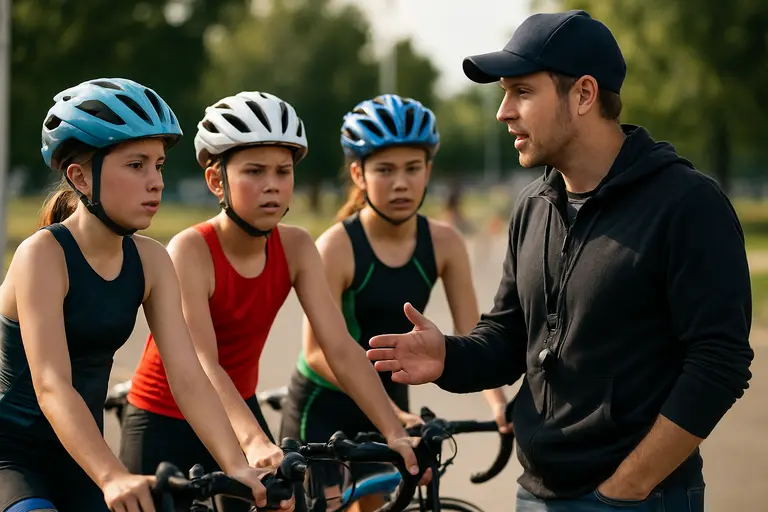
USA Triathlon’s broader youth work is a key part of this review because nationals do not operate in isolation. On June 20, 2023, USA Triathlon launched a revamped High School Program with state-based talent scouts, free club registration, 10 free youth memberships, stipends for new clubs, and expanded youth race eligibility from ages 7-15 to ages 7-18 USA Triathlon program announcement.
High School Program Signals
The High School Program changes address several common barriers in youth multisport. Free registration and youth memberships lower the cost of entry for new teams. Stipends for new clubs can help with early expenses such as equipment, coach education, local promotion, and event-day administration. State-based talent scouts can also help connect athletes from swimming, running, cycling, or other endurance backgrounds to triathlon pathways.
For Youth Triathlon Nationals, those measures matter because a national championship depends on the health of local feeder systems. If a young athlete has no nearby club, no trained coach, or no affordable first race, the national pathway becomes theoretical. The 2023 eligibility expansion to ages 7-18 also reduces a gap for high school-aged athletes who may have aged out of older youth categories but were not yet ready for junior draft-legal specialization.
Inclusion And Local Capacity
The 2025 addition of a dedicated racing category for athletes with intellectual impairments, along with free USA Triathlon youth annual memberships for athletes competing in that wave, was a meaningful access step. The research does not provide participation totals for that category, so its competitive depth cannot be assessed here. What can be assessed is the event-design signal: inclusion was built into the national race program rather than treated as a side activity.
That decision has implications for local clubs. If national events include athletes with intellectual impairments, local programs have a stronger reason to develop coaching practices, volunteer training, and race-day procedures that support those athletes before they reach nationals. Cross-sport youth development outlets, including worldfootballidol.com, often show the same pattern in other sports: national visibility can influence what local clubs choose to prioritize.
Youth Triathlon Nationals Review Priorities
The clearest Youth Triathlon Nationals takeaway is that event quality should be judged by more than podium times. The 2026 championship produced fast winners and a defined qualification structure, but its wider value came from the connections among qualification, venue familiarity, access programs, and club growth. A strong national tournament gives young athletes a fair competitive test while also sending practical guidance back to local programs.
Three areas deserve continued measurement after the 2026 edition: how many athletes progress from high school clubs into qualifier races, whether the 75-per-gender draft-legal cap balances safety with opportunity, and how inclusion categories affect participation at local and regional levels. The available research supports cautious optimism, not sweeping claims. USA Triathlon has put several structural pieces in place; the next test is whether clubs, coaches, and race directors can turn those structures into sustained youth participation.